

Home renovation in Chicago is a significant investment that can enhance the beauty and functionality of your property. As the city boasts diverse architecture and historic charm, understanding the nuances of local home improvement is essential for homeowners looking to make impactful changes. This article delves into various aspects of home renovation to guide your next project.
Understanding Home Renovation in Chicago
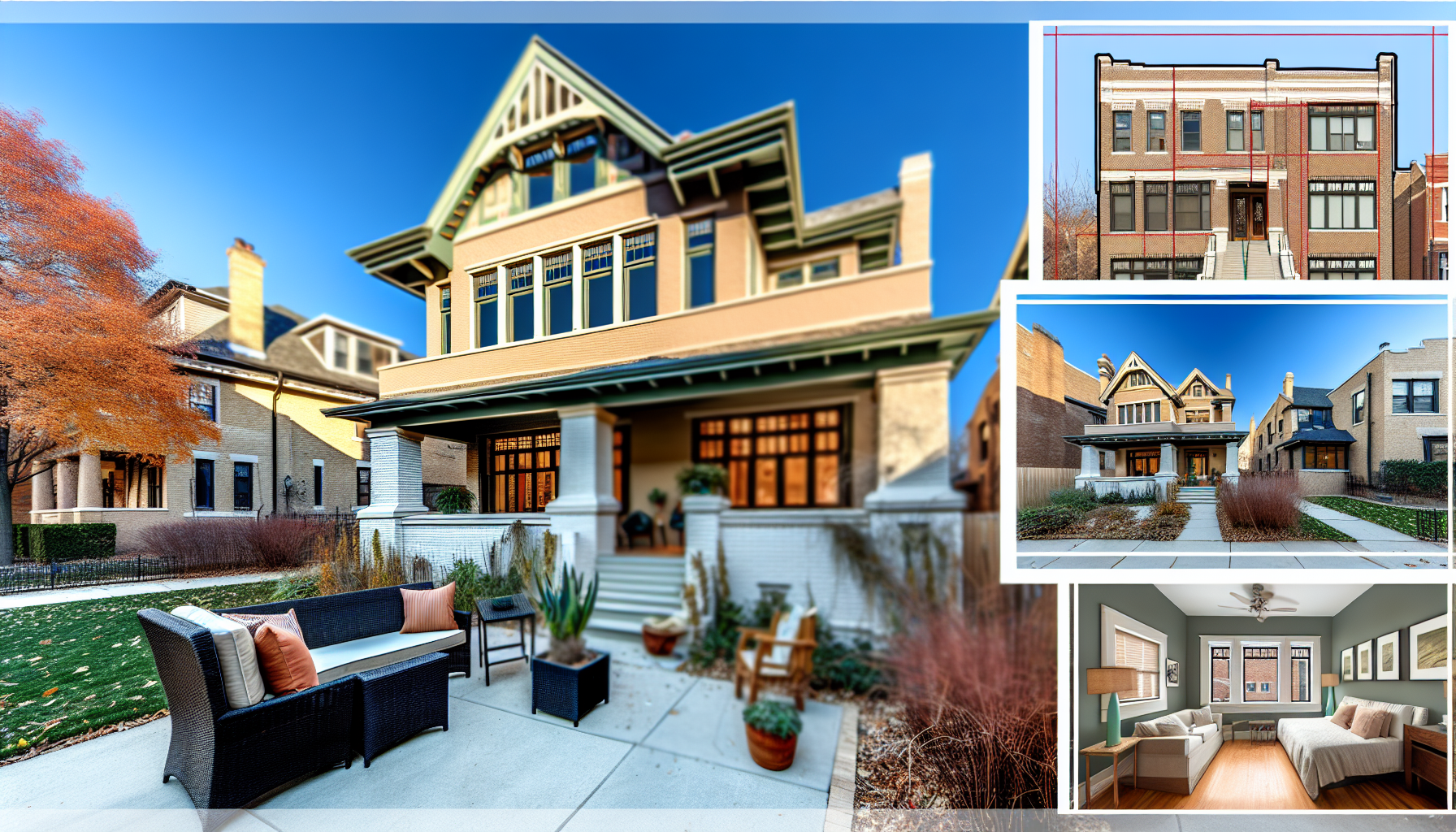
Understanding Home Renovation in Chicago offers a unique perspective shaped by the city’s rich architectural history and the intricate dynamics of its real estate market. Chicago, known for its iconic skyline punctuated by striking high-rises, also boasts a wealth of historic neighborhoods, each possessing its own architectural character. Whether it’s the elegant brownstones of Lincoln Park, the vintage bungalows of the Southwest Side, or the striking art deco buildings in the Loop, the context of Chicago’s built environment plays a pivotal role in home renovations.
Homeowners in Chicago often encounter specific challenges when embarking on renovation projects. For one, the city experiences a broad range of weather conditions that can affect construction timelines and techniques. Moreover, the presence of historic districts and landmark designations means navigating the complexities of zoning laws and preservation guidelines. Ensuring that renovations are in line with these regulations can be daunting yet critically important for maintaining the city’s architectural integrity.
Many Chicago homeowners opt for renovations for diverse and compelling reasons. Updating amenities to meet modern living standards is high on the list, especially in older homes that may lack contemporary conveniences. Families often look to enhance their living spaces—whether that means reconfiguring layouts to create open concepts or adding energy-efficient appliances and systems.
Preserving historic value is another motivating factor. Homeowners often seek to highlight unique architectural features, such as ornate moldings or stately fireplaces, while upgrading the home for better functionality. This blend of preservation and modernization not only honors the city’s legacy but also appeals to future buyers who appreciate character and craftsmanship.
Lastly, increasing property value is an imperative driver. Renovated homes in Chicago can significantly enhance market appeal, making strategic upgrades crucial for maximizing return on investment. Understanding these motivations and challenges can help homeowners navigate the renovation landscape in the Windy City with confidence, ensuring their projects reflect both personal tastes and the cultural fabric of their surroundings.
Planning Your Renovation Project
When embarking on a home renovation project in Chicago, careful planning is crucial to ensuring both a successful outcome and a smooth process. The first step is establishing a realistic budget. This involves not only assessing the amount of money you can allocate to the renovation but also anticipating potential additional expenses that can arise. Hidden costs, such as structural repairs or permit fees, should be factored into your budget to avoid financial strain later on. It is advisable to allocate around 10-20% of your budget for contingencies, ensuring that you are prepared for unexpected challenges.
Understanding the scope of work is equally vital. Clearly outline the specific changes you intend to make, whether they are aesthetic improvements or functional renovations. Consider the areas of the home that need the most attention based on their condition and your personal lifestyle needs. For instance, if you have a growing family, prioritizing space optimization in common areas like kitchens and living rooms may take precedence over cosmetic upgrades in adjoining rooms.
Creating a timeline for your project is also essential. Timelines help in coordinating with contractors and managing expectations for both family and vendors. Realistic estimations, while allowing flexibility for weather-related delays or material shortages, can help maintain momentum and motivation.
Prioritizing renovations is best achieved through a thorough assessment of personal needs, property condition, and current market trends. You may wish to focus on improvements that will yield the highest return on investment, such as kitchen and bathroom updates, which appeal significantly to potential buyers in the Chicago market. Additionally, addressing any major repairs—like roofing or plumbing—should take precedence to ensure the longevity of your home.
By carefully planning your renovation with these critical steps, you set the stage for a seamless process, allowing you to transform your Chicago home into the space you’ve envisioned while mitigating unnecessary stress.
Navigating Local Building Codes and Regulations
Complying with Chicago’s local building codes and regulations is a fundamental aspect of any home renovation project. These codes are designed to ensure safety, sustainability, and quality in construction. Failing to adhere to these regulations can lead to fines, extensive delays, or even having to undo completed work. Therefore, understanding the local legal landscape is essential for any homeowner looking to remodel or expand their property.
Obtaining the necessary permits is a crucial first step. In Chicago, most renovation projects—especially those involving structural changes, electrical and plumbing work, or significant alterations—require permits. Homeowners should begin by visiting the City of Chicago’s Department of Buildings website, where they can find comprehensive information on the types of permits needed and the application process. Online applications may streamline the experience, but it’s essential to have all documents prepared, including project plans that meet city standards.
Working with licensed contractors can significantly simplify navigating local codes. Licensed professionals are familiar with Chicago’s regulations and can manage the permit process on your behalf. When selecting contractors, ensure they hold the proper licensing and insurance. Ask for references of previous work related to similar renovations; a reputable contractor will readily provide this information and demonstrate their knowledge of local codes.
Zoning laws also play a crucial role in the renovation process, impacting aspects such as property setbacks, building height, and usage. Homeowners should verify how these laws apply to their property, especially in specific Chicago neighborhoods where historic preservation regulations might add further complexity.
To navigate the bureaucratic red tape effectively, homeowners should:
– Organize all necessary documents in advance.
– Keep thorough records of all communication with city officials and contractors.
– Consider engaging a consultant or project manager who specializes in local regulations for larger projects.
By taking these steps, homeowners can navigate the building codes and regulations confidently, paving the way for a smooth renovation experience in Chicago.
Choosing the Right Contractors and Professionals
Choosing the right contractors and professionals for your home renovation in Chicago is pivotal in ensuring a successful transformation. Licensed contractors, architects, and interior designers bring not only skill but also the necessary knowledge to navigate Chicago’s distinctive architecture and community aesthetics. The importance of hiring licensed professionals cannot be overstated; these experts adhere to local regulations, ensuring safety, quality, and value in your renovation project.
When considering potential hires, begin by compiling a list of reputable professionals. Utilize platforms like Angie’s List or Houzz, and seek recommendations from friends or neighbors who have undertaken similar projects. Once you have a shortlist, interviewing prospective contractors is essential. Prepare a set of questions focusing on their experience, project management, and familiarity with Chicago’s specific zoning and zoning restrictions. It’s crucial to understand their communication style and approach to project timelines as these factors significantly impact your renovation experience.
Equally important is checking references and previous work. Ask for a portfolio of completed projects and contact former clients to inquire about their experiences. Key inquiries should include the contractor’s adherence to budget, timeliness, and the quality of workmanship. Don’t hesitate to visit ongoing projects, if possible, to observe their work in real-time.
Verify whether the contractors hold valid licenses and have appropriate insurance to protect you from liability. In Chicago, specific permits are required, and ensuring your contractor is knowledgeable about obtaining these permits can save you from potential legal headaches down the road.
Lastly, consider including an architect or interior designer, especially for major renovations. Their expertise can provide innovative solutions, ensuring that your home not only meets your needs but also adheres to Chicago’s architectural charm. By collaborating with the right professionals, you’ll be well-equipped to turn your vision into reality while enhancing your home’s longevity and value.
Sustainable Renovation Practices in Chicago
As homeowners in Chicago increasingly prioritize sustainable living, the trend of eco-friendly renovations is gaining momentum. More than just a passing phase, this movement seeks to reduce environmental impacts while enhancing the comfort and efficiency of homes. Given Chicago’s commitment to sustainability—from its recycling programs to green building certifications—embracing sustainable renovation practices can significantly benefit both homeowners and the environment.
Choosing eco-friendly materials is a fundamental aspect of sustainable renovations. Homeowners can opt for reclaimed wood, bamboo flooring, and recycled glass tiles, which not only offer aesthetic appeal but also minimize the demand for new resources. Additionally, using low-VOC (volatile organic compound) paints and finishes can improve indoor air quality, making homes healthier for inhabitants.
Integrating energy-efficient upgrades is another crucial element. Homeowners can install Energy Star-rated appliances, which consume less energy while performing efficiently. Upgrading to high-performance windows can enhance insulation and reduce heating and cooling costs significantly. Solar panels have also become a viable option for many Chicago homes, offering renewable energy and substantial savings on utility bills.
Reducing a carbon footprint extends beyond materials and technology; it’s about thoughtful renovations that consider lifestyle and location. Incorporating green roofs or living walls, for example, not only provides insulation but also contributes to urban biodiversity, helping to mitigate the heat island effect prevalent in urban areas like Chicago. Moreover, aligning renovations with public transportation access encourages sustainable commuting options.
Sustainable renovation is also an opportunity for homeowners to enhance their property’s value while consciously contributing to a greener planet. As eco-friendly practices become increasingly valued, homes that showcase these upgrades may see an uptick in market interest. Ultimately, homeowners are empowered to create beautiful, functional spaces that reflect their commitment to sustainability while enriching their lives and those of future generations.
Showcasing Your Renovation: The Finishing Touches
As you approach the final stages of your home renovation in Chicago, the finishing touches play a pivotal role in transforming your newly improved space into a haven that reflects both personal style and functionality. The attention to detail in aesthetics can elevate your home from a mere structure to a warm, inviting environment.
Consider the importance of interior design elements such as color schemes, textures, and furniture selection. **Color** can dramatically influence mood; soft neutrals can create a calming atmosphere, while bold hues can energize a space. Incorporating various **textures** through rugs, cushions, and wall treatments adds depth and visual interest. Don’t overlook the craftsmanship of furniture—pieces that harmonize with your design theme can enhance both comfort and aesthetic appeal.
Landscaping is another essential aspect that can not only improve curb appeal but also extend your living space. Chicago winters can be harsh, so incorporating **perennials** and **evergreens** ensures your yard remains vibrant year-round. Creating a cohesive outdoor experience with new patios, decks, or garden beds that mirror the interior design can blur the lines between inside and out, making your home feel larger and more integrated with nature.
Home technology integration is also a crucial part of the renovation process. Smart home systems for lighting, security, and climate control can enhance both the functionality and efficiency of your living space. These upgrades not only add convenience but also increase the overall value of your home, making it more attractive to future buyers.
When showcasing your renovated spaces, focus on the narrative they tell. Create vignettes that highlight your personal style—an inviting reading nook with well-placed lighting, a dining area that reflects warmth, or an entertainment zone showcasing personal memorabilia. The key is to make your space feel lived-in yet polished, creating an ambiance that resonates comfort, individuality, and timeless charm.
Conclusions
In conclusion, effective home renovation in Chicago requires careful planning, an understanding of local building codes, and an appreciation for the unique architectural styles of the city. By embracing thoughtful design and sustainable practices, homeowners can significantly enhance their properties. Remember to consult professionals where necessary and enjoy the journey of transforming your living space.